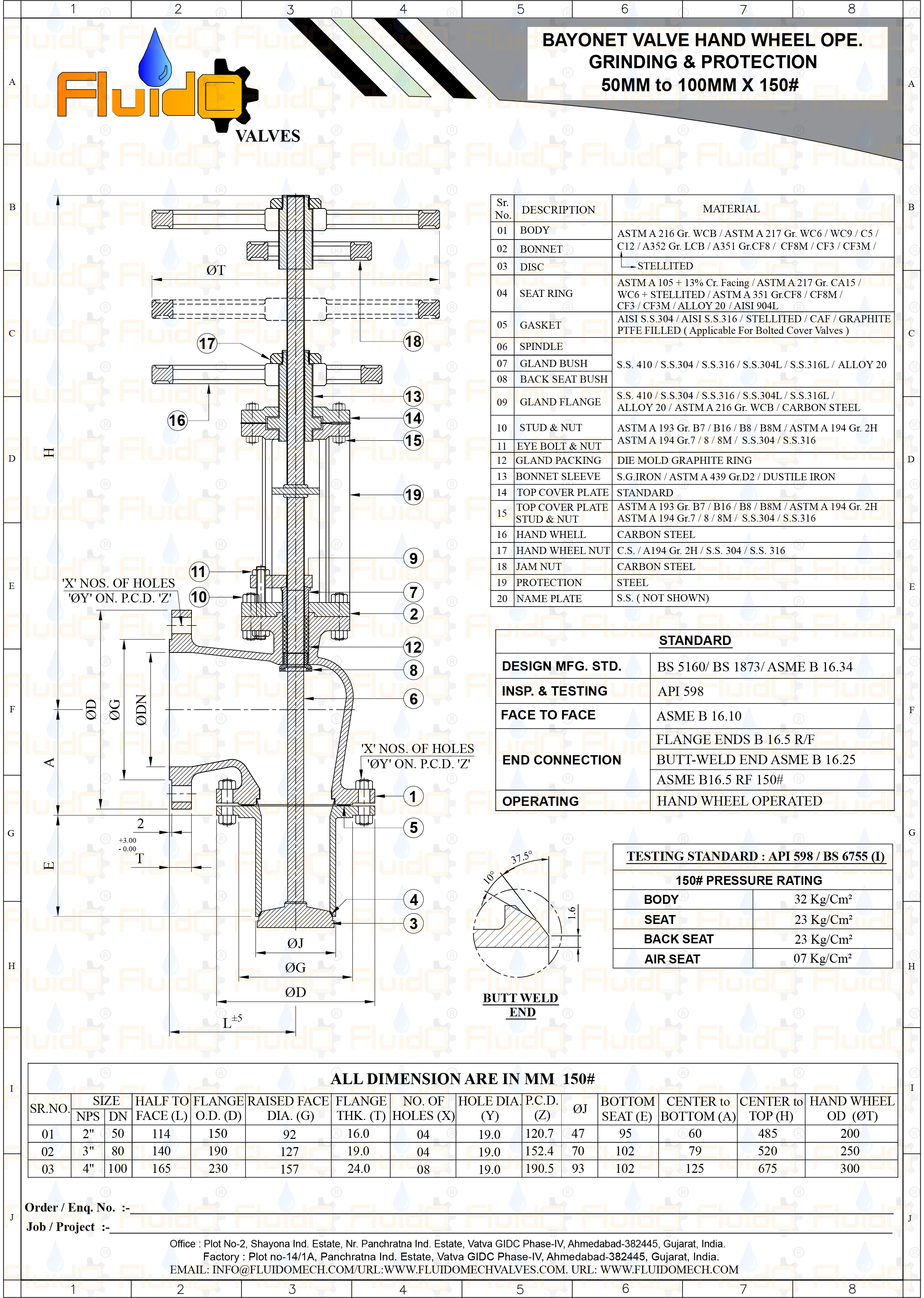
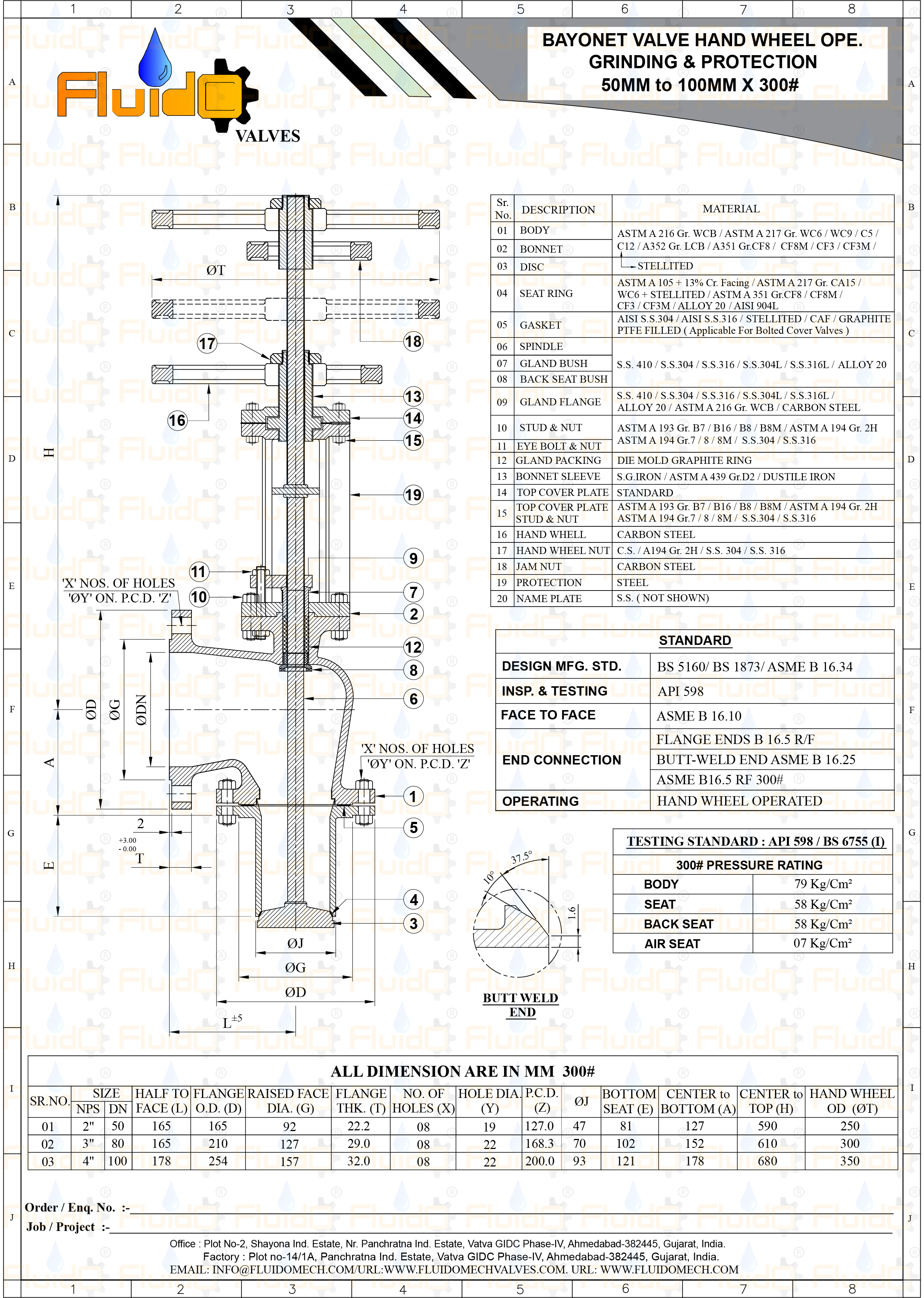
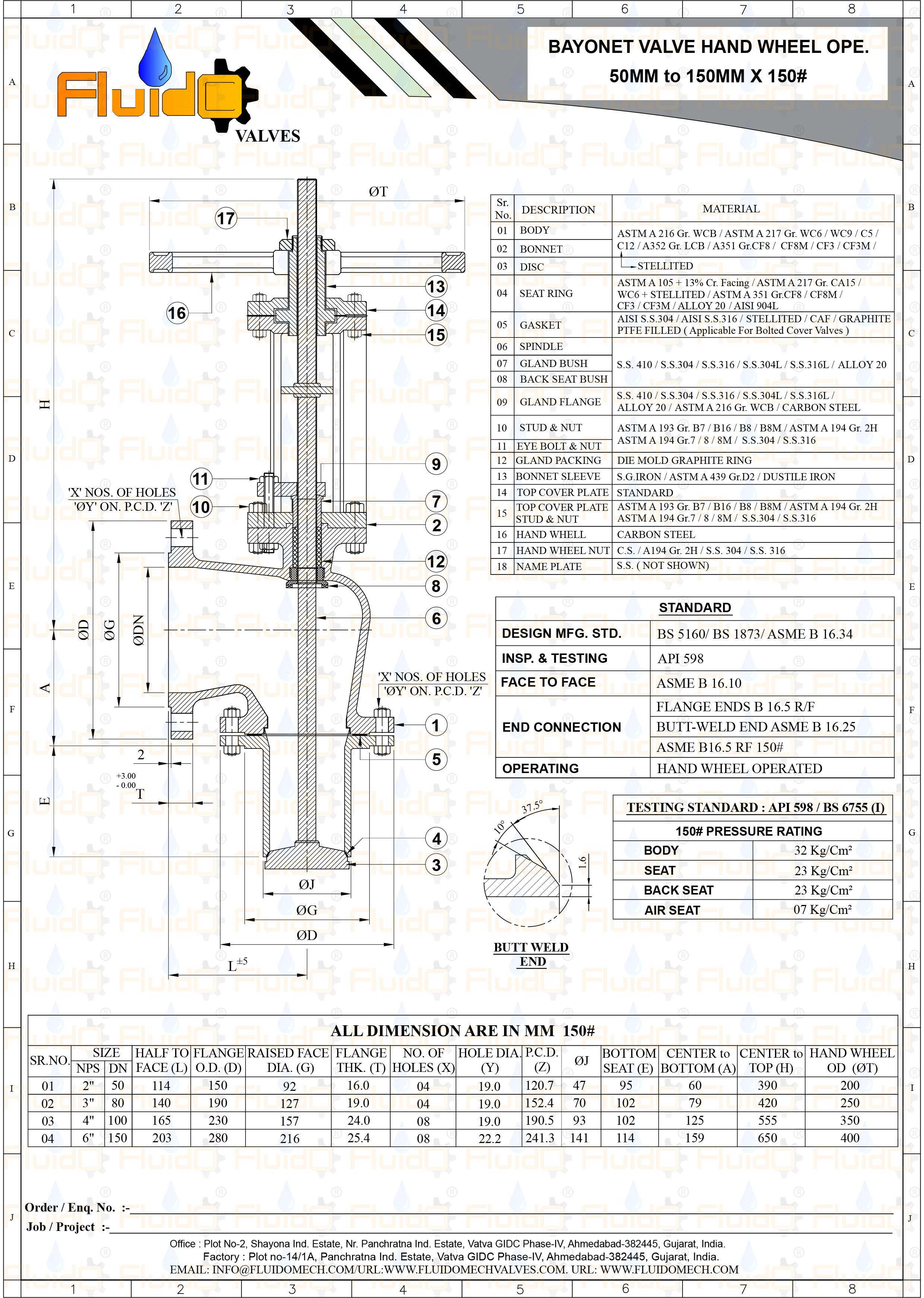
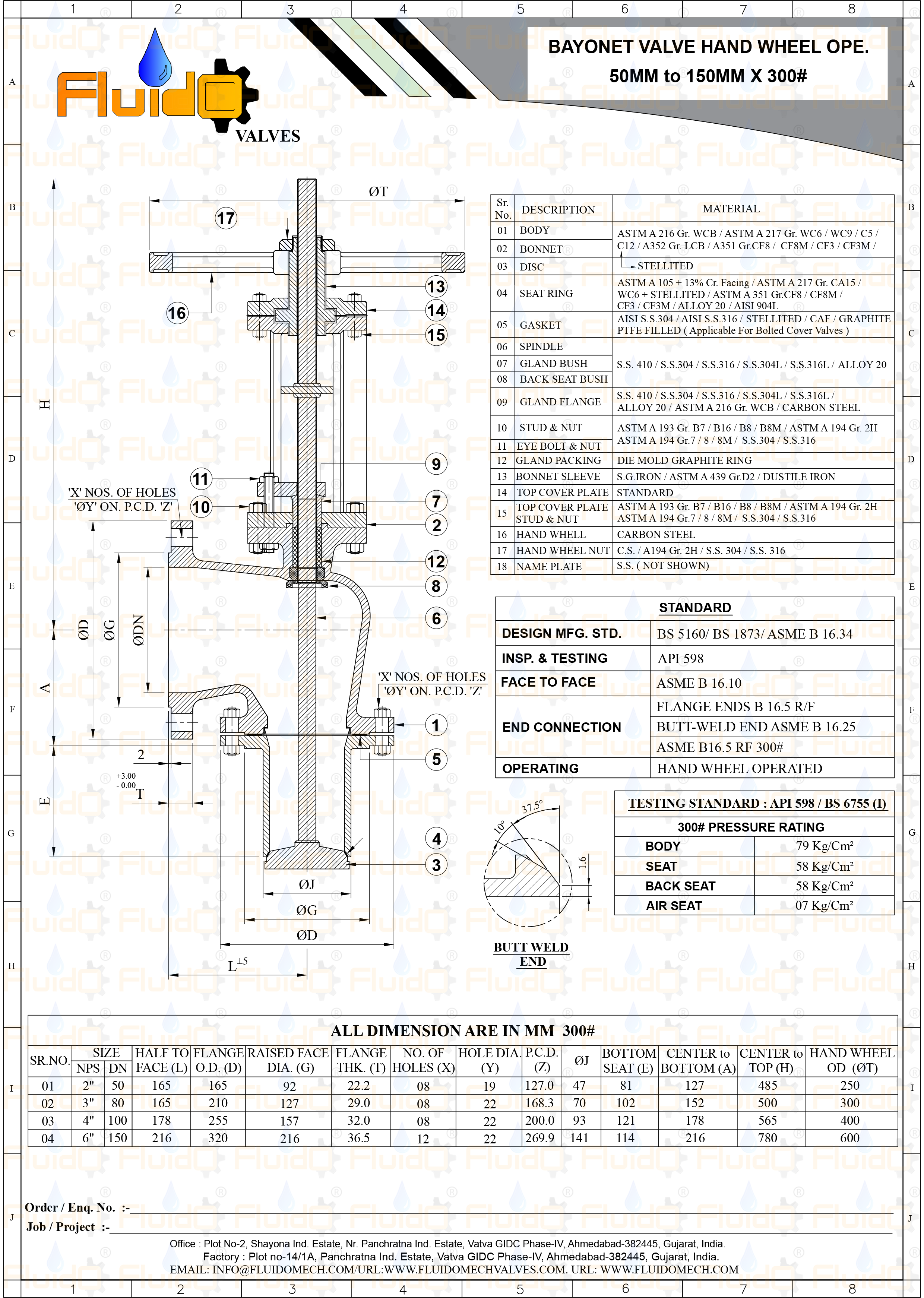
Elevate Your Fluid Control Systems with Our Newly Launched Bayonet Valves — Precision Meets Durability
Announcing the launch of our premium Bayonet Valves designed to bring speed, safety, and strength to your operations. Crafted with innovative locking technology and high-grade materials, these valves offer quick, reliable connections and exceptional resistance to wear and tear. Designed to meet the highest standards of industrial fluid control, these valves ensure secure, leak-proof performance even in the most challenging conditions.
Bayonet Valves: Overview and Applications
Introduction
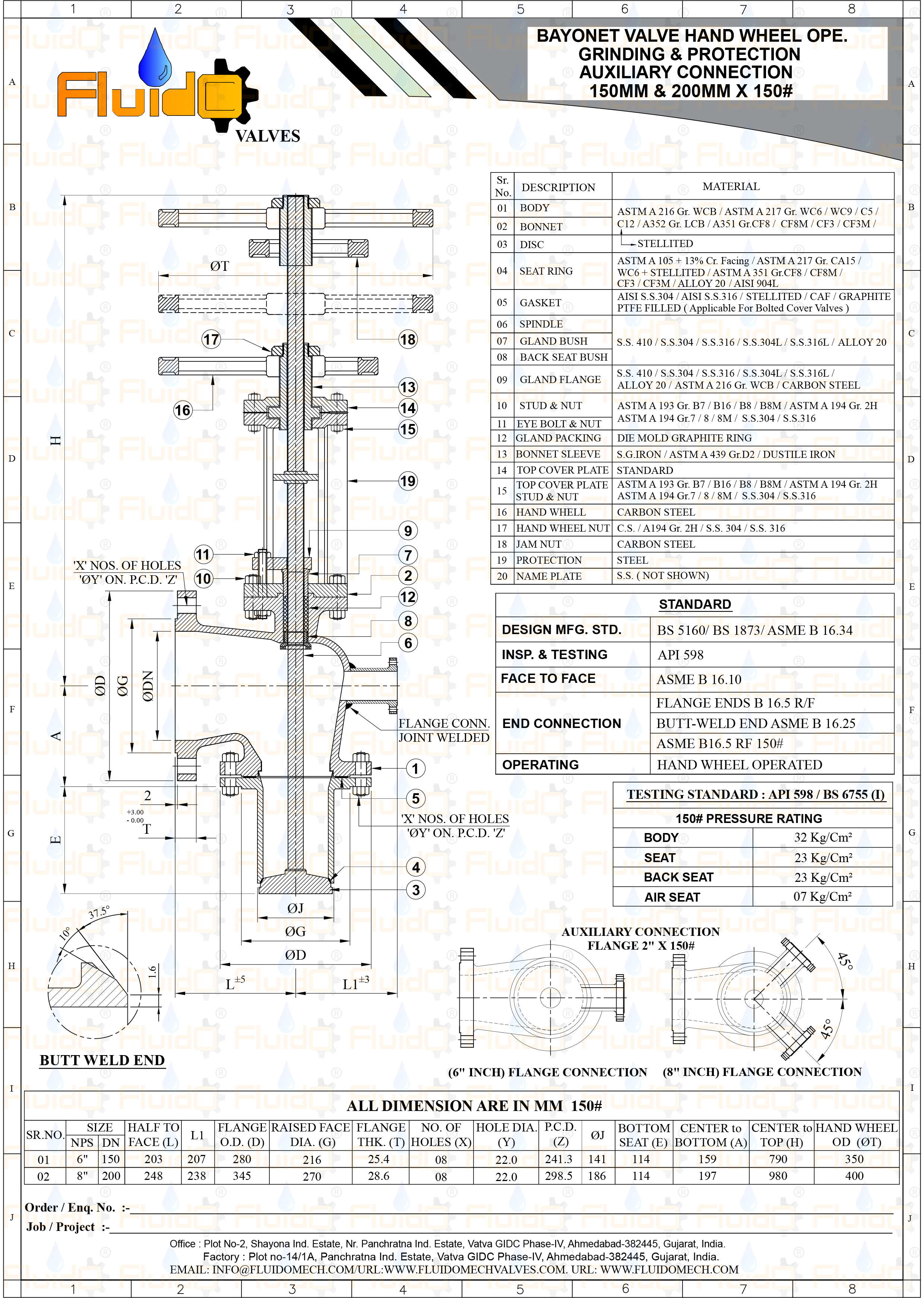
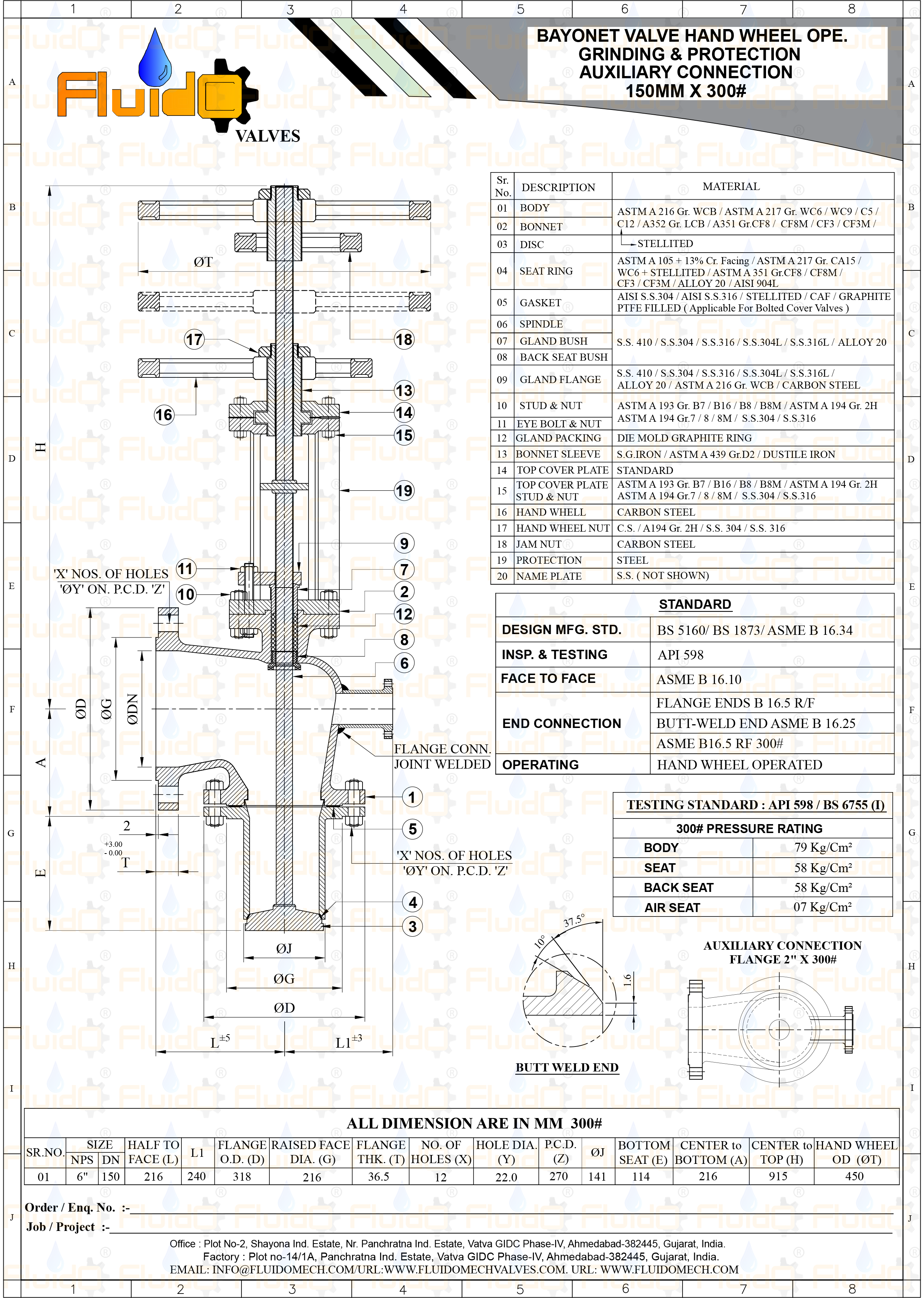
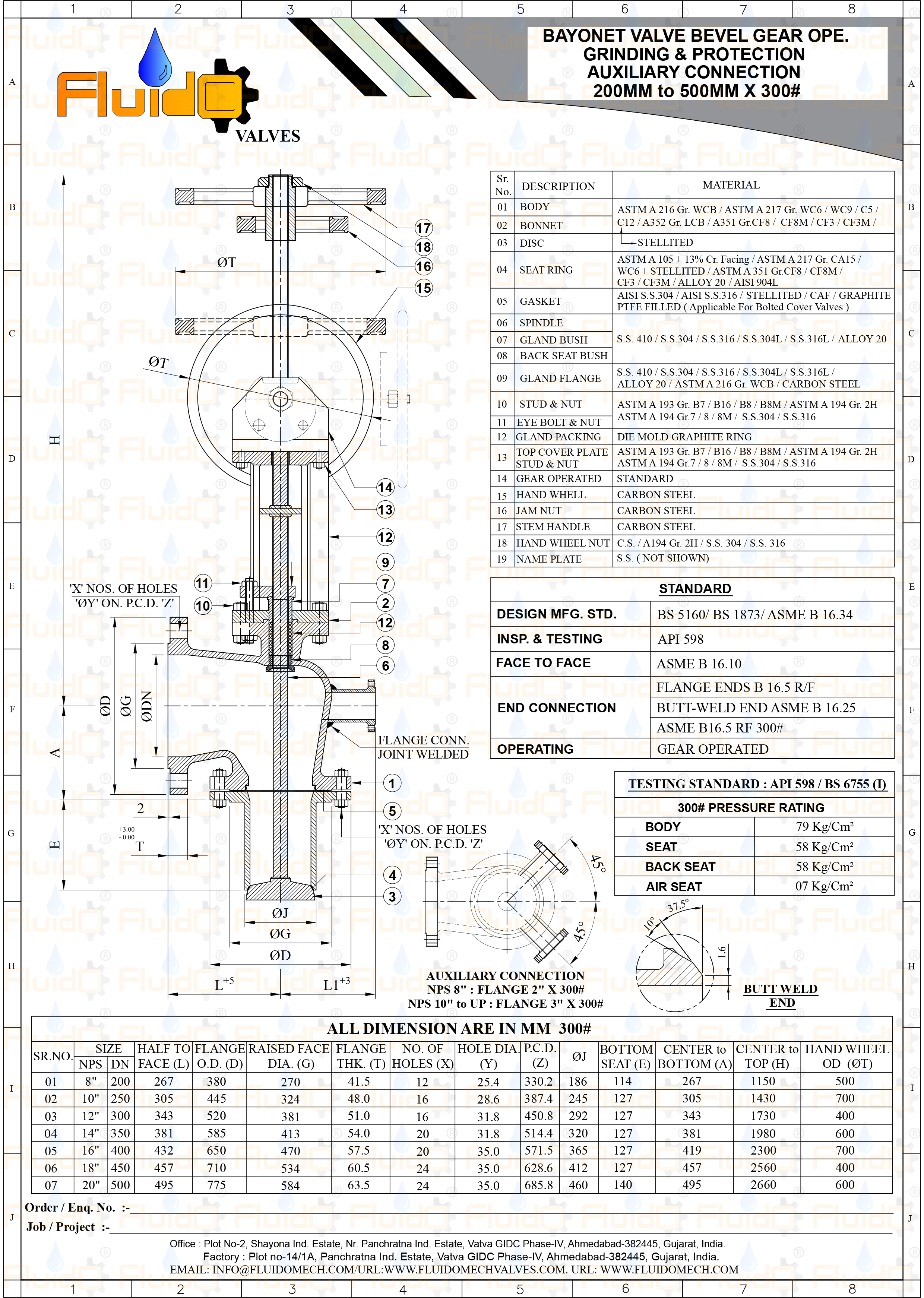
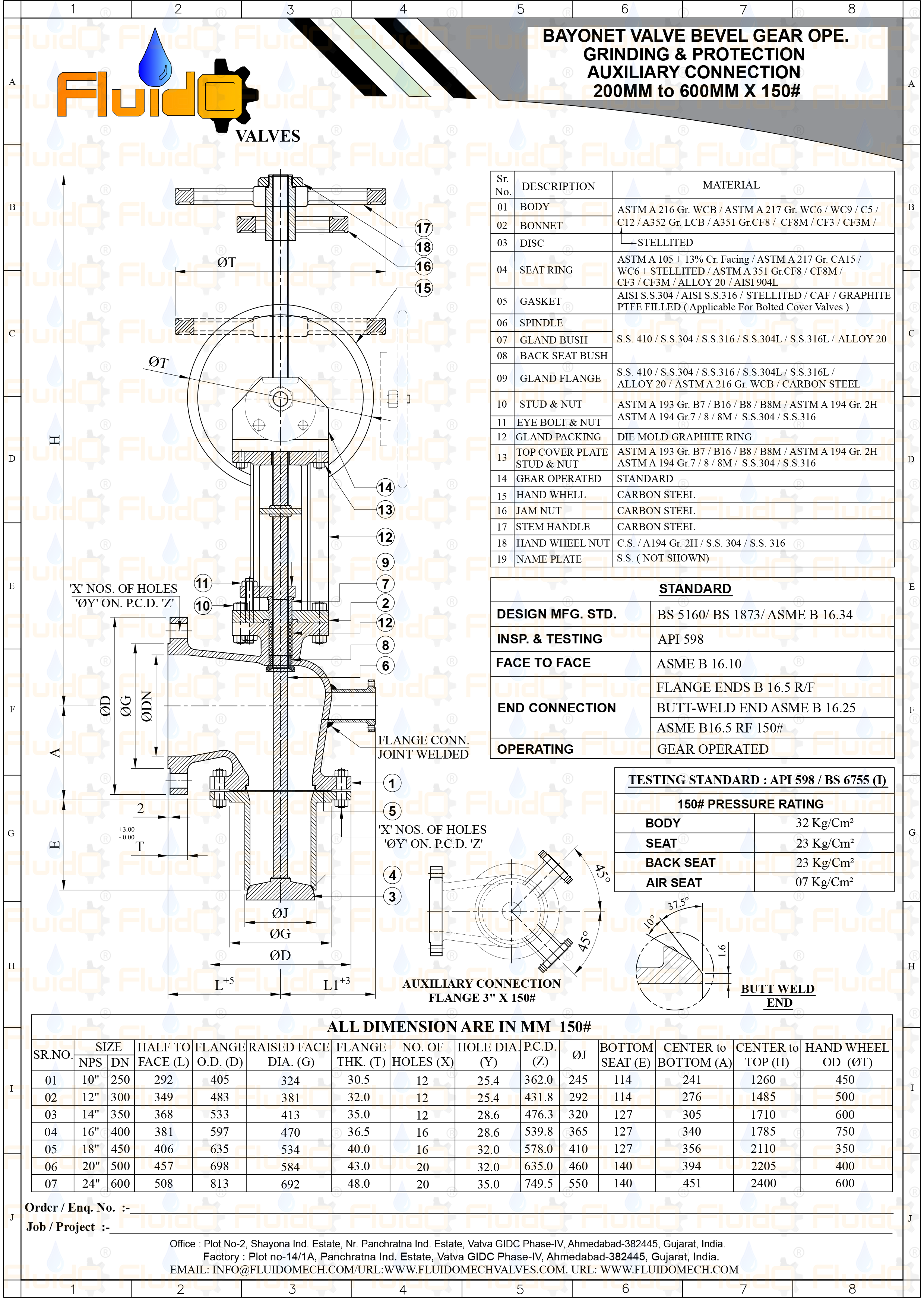
Bayonet valves are specialized angle or lift-type valves engineered to control abrasive, corrosive, and high-temperature slurries. Their signature feature—a bayonet-style stem and seat assembly—delivers extremely tight shut-off and exceptional resistance to erosion and particulate wear. You’ll find these rugged valves in processing plants, mining operations, power stations, and alumina refineries, wherever thick, particle-laden fluids demand uncompromising reliability.
Core Design Principles
Bayonet Stem and Seat Arrangement
- The stem features a stepped, double-seating bayonet profile that minimizes slurry impingement on critical seals.
- Two contact faces (primary and secondary) guard against leakage even as the first seat begins to wear.
Robust Body Construction
- Oversized wall thickness and reinforced bonnet deliver high mechanical strength under pressure fluctuations.
- Fire-safe trims and metal-to-metal seating ensure functionality during and after external fire exposure.
Technical Specifications
Materials of Construction
- Carbon Steel (ASTM A216 WCB) : Cost-effective for moderately abrasive slurries.
- Stainless Alloys (ASTM A351 CF8M/316L) : Enhanced corrosion resistance in acidic or chlorinated media.
- High-Nickel Alloys (UNS N08031/N08020) : Withstand extreme corrosion in caustic, high-temperature environments.
- Ceramic Linings/Coatings : Ceramic or rubber-ceramic hybrid linings extend life in highly abrasive services.
Size and Pressure Ratings
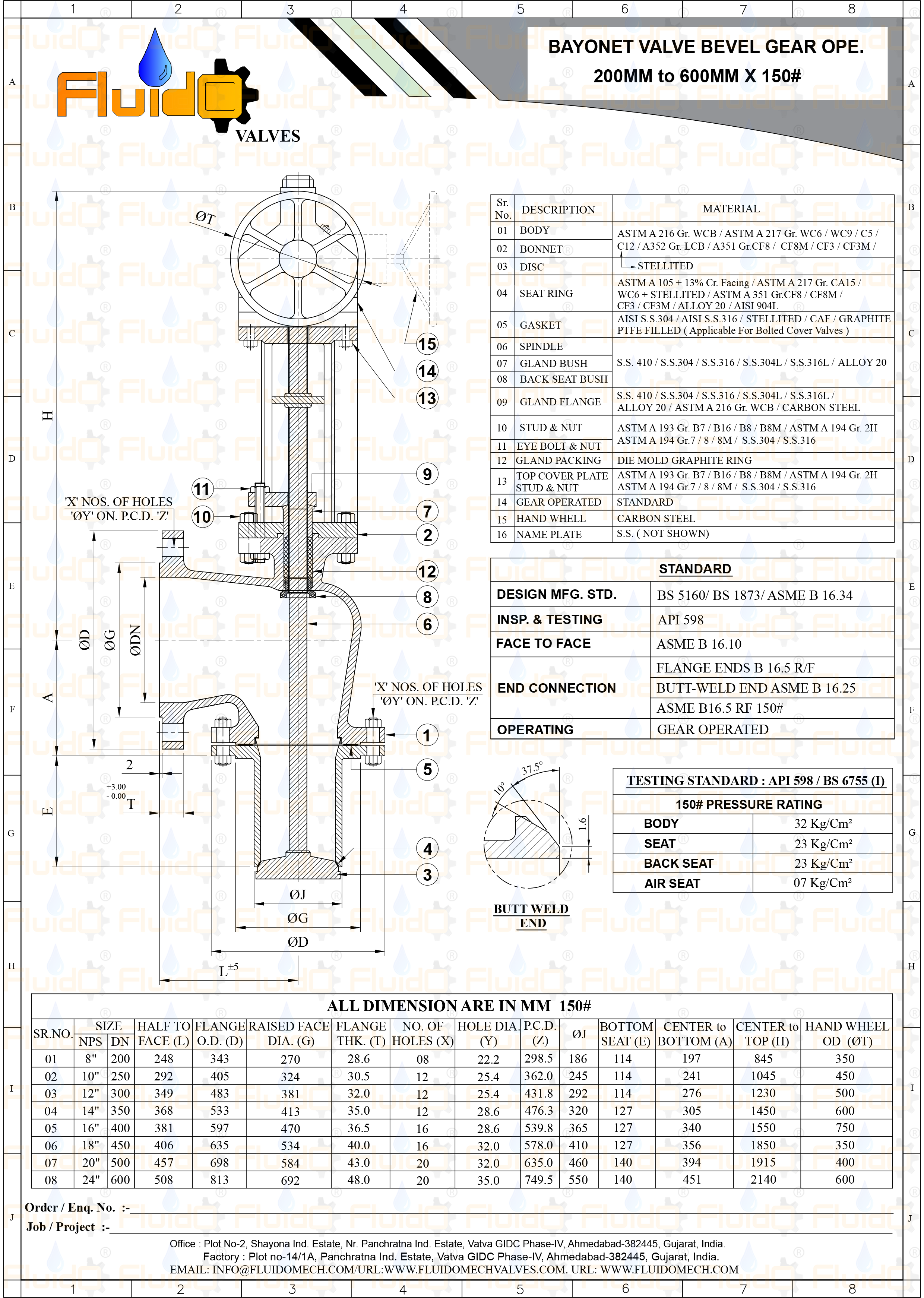
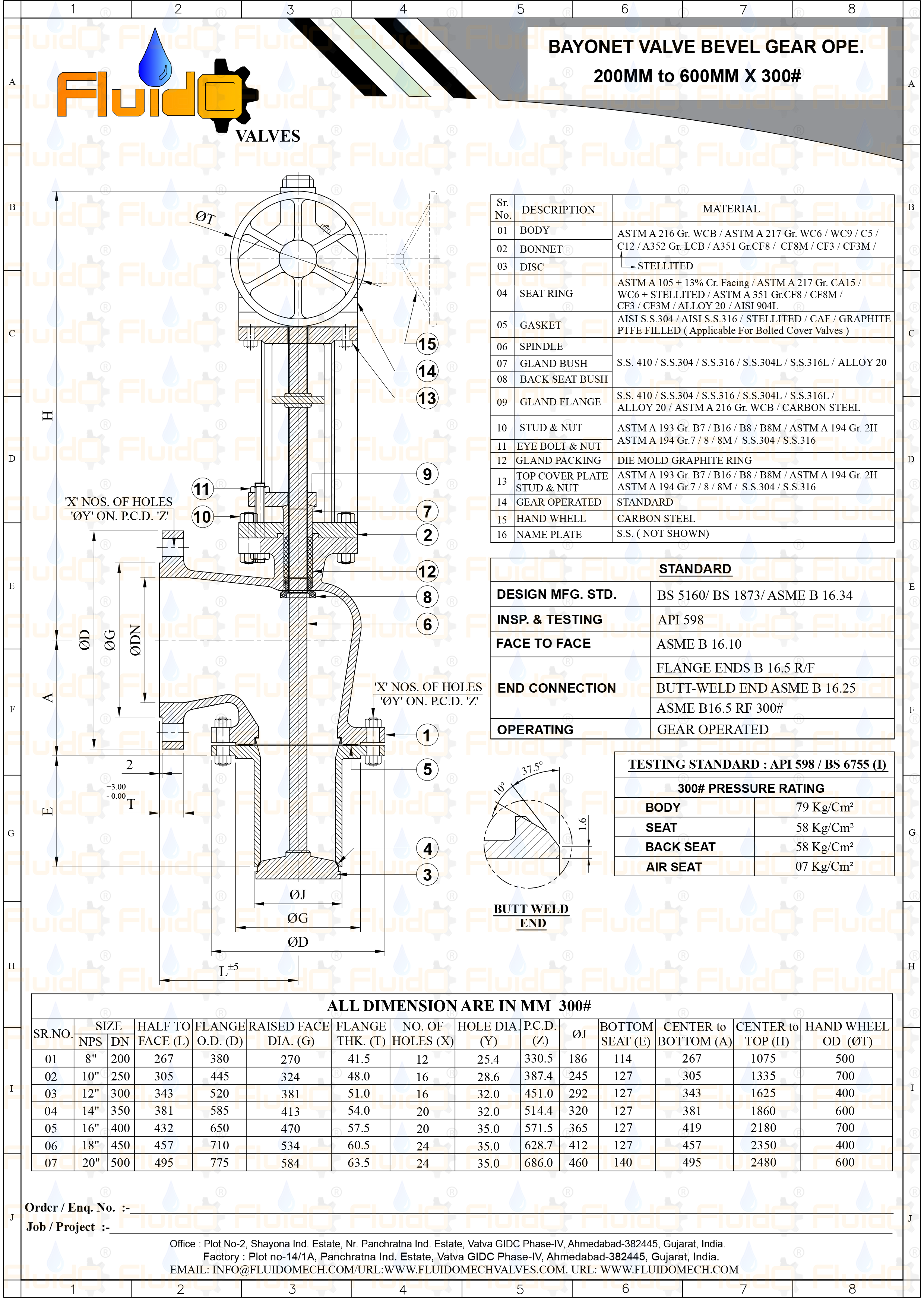
- Size Range : 2″–48″ (DN50–DN1200) to accommodate everything from pilot feeds to main slurry lines.
- Pressure Classes : Class 150 through Class 1500, with some designs rated up to 900 psi (≈62 bar).
End Connections
- Flanged Ends : ASME B16.5 RF/RTJ or BS10 standards for leak-tight bolted joints.
- Threaded Connections : ASME B16.25 or ISO 7/1 for smaller valves and process sampling taps.
Actuation Options
- Manual : Hand wheel, bevel-gear or spur-gear operators for on-site adjustments.
- Pneumatic/Hydraulic : Fast response and high thrust for remote or high-cycle applications.
- Electric : Integration with DCS/PLC for full process automation and feedback monitoring.
Typical Industries and Applications
- Mineral Processing : Tailings, ore slurries, and concentrate piping.
- Alumina Refining : Caustic leach streams with high solids loading.
- Power Generation : Ash handling, flue gas desulfurization slurries.
- Chemical Processing : Corrosive catalyst slurries in sulfuric acid regeneration.